1. Arriving in Biel: The Calm Before the Calm
Touching down in Biel (or Bienne, as the French-speaking locals call it), a town delicately balancing the Germanic precision and the French flair. The station, though modest, efficiently channels the heart of this bilingual city. The town holds an almost cinematic stillness, with cobblestone lanes, aged watchmaking houses, and the unmistakable scent of blooming linden trees.
Nestled between Lake Biel and the Jura Mountains, the town whispers instead of shouts. No throngs of tourists, no rush of footsteps or camera clicks—just bicycles gliding past medieval facades and boats resting on still water. In planning the stay, I had resolved not only to explore the city, but to surrender to its pace, fully. That called for the right accommodation—not extravagant, not sterile, but warm, tasteful, and just detached enough from the bustle.
2. Finding the Right Hotel: Search, Filters, and Trust in the Familiar
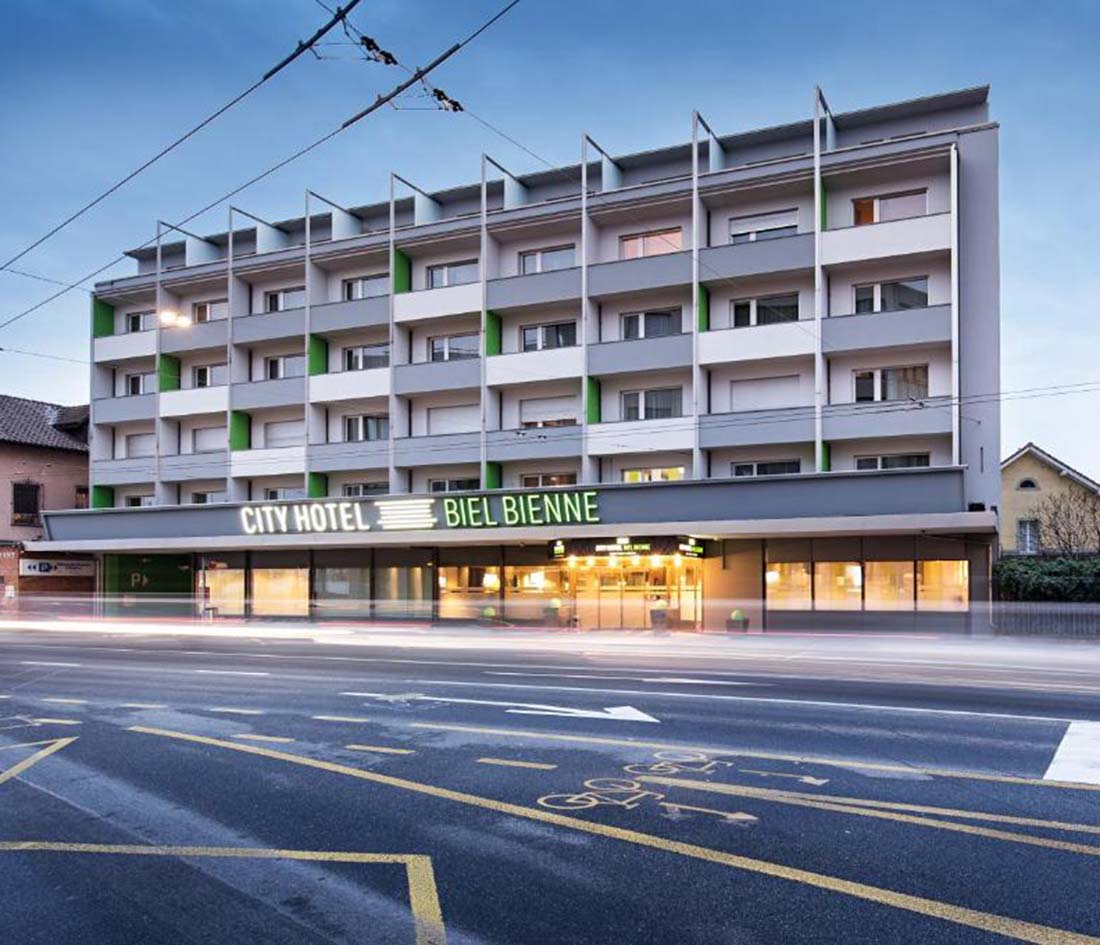
The journey of booking began where many do—on Booking.com. With a moderate budget in mind (no more than CHF 180 per night), I applied filters I’ve come to trust: 9+ review score, entire apartment or studio setup, and within 1 km of Lake Biel. The search turned up several results, but one immediately stood out: City Hotel Biel Bienne Free Parking, located at Aarbergstrasse 29, 2502 Biel.
Despite the utilitarian name, the images revealed something far more compelling—a contemporary facade softened by greenery, rooms infused with soft wood tones and large windows that seemed to invite the lake light in. The price for a deluxe double studio with lake view stood at CHF 164 per night, breakfast included, with flexible cancellation and no prepayment. I booked three nights, totaling CHF 492. The reservation was confirmed within moments, and I received detailed check-in instructions via the Booking.com app.
3. Checking In: Warm Welcomes and Thoughtful Touches
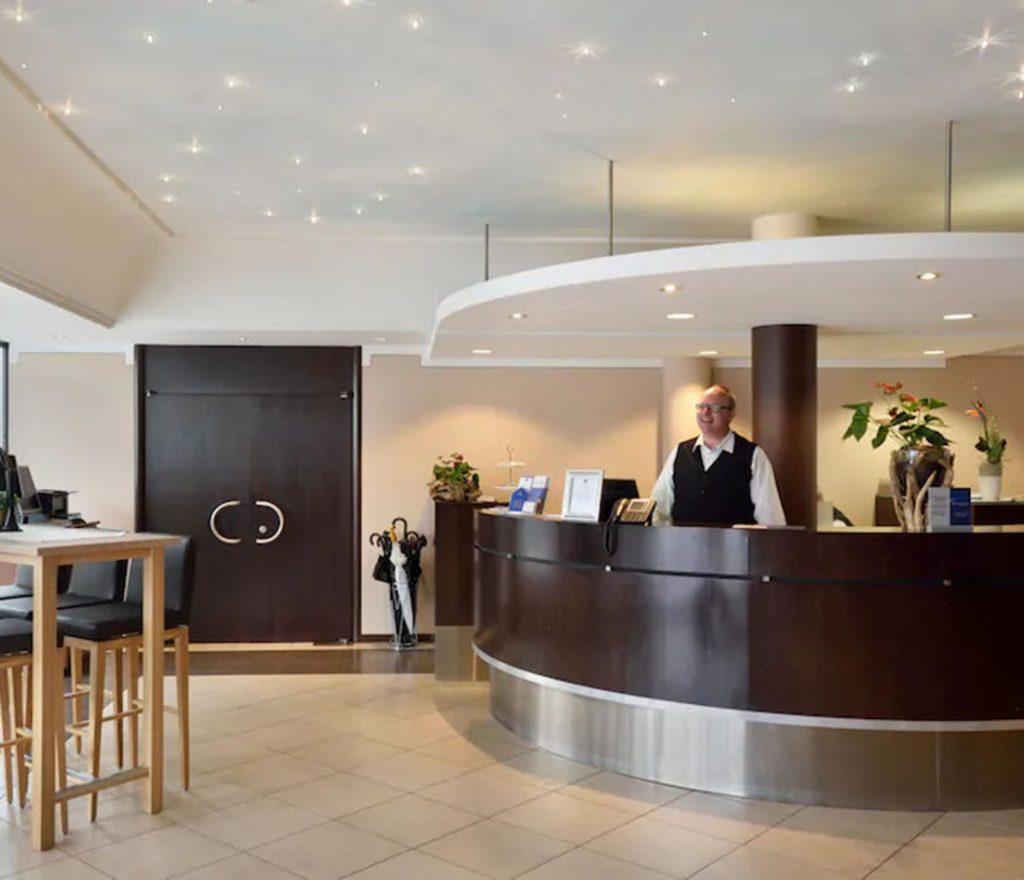
Check-in was set for 3 PM, and arriving 15 minutes early, I was met at the door by a soft-spoken gentleman who, after verifying my ID, handed over a keycard, local transit pass, and a printed map marked with curated suggestions. The lobby was an atrium of light, with curated magazines, a self-serve espresso machine, and framed sketches of the Old Town—clearly a place designed for lingerers.
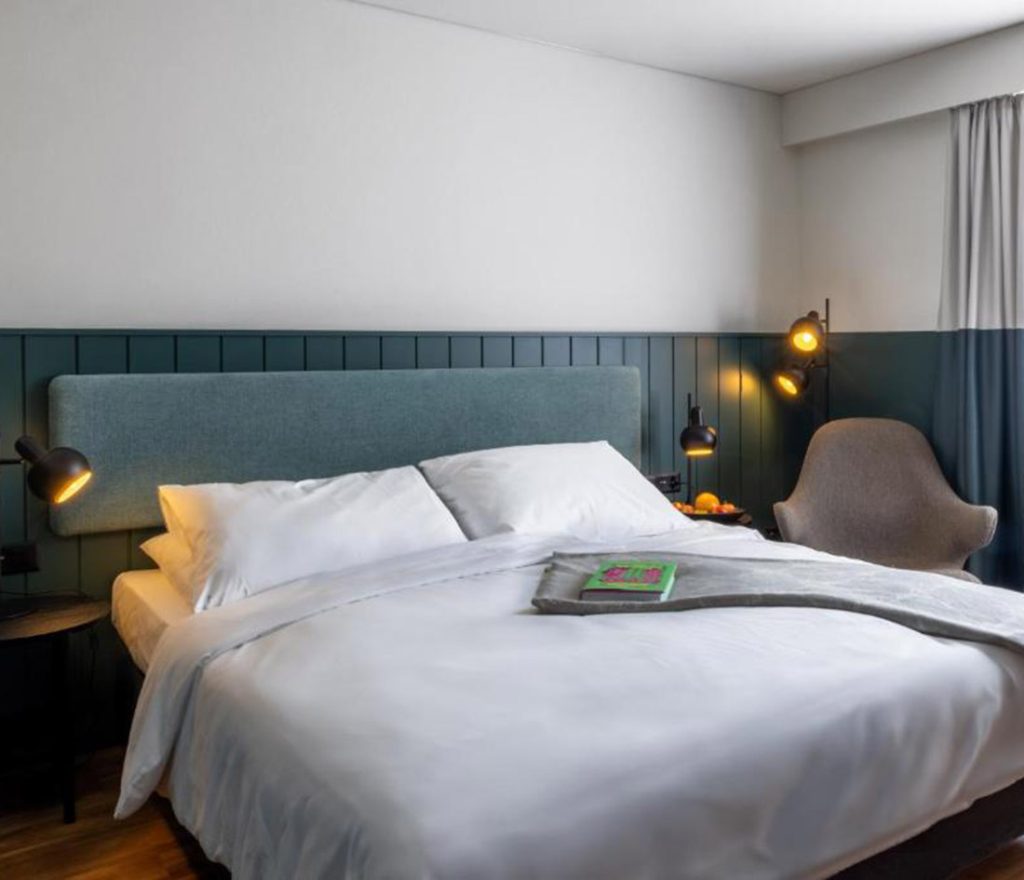
The elevator carried me to the third floor. The corridor smelled faintly of cedar and was utterly silent. Room 306 opened to a compact, but immaculately designed studio: polished oak floors, a double bed dressed in linen with a slightly nubby texture, a kitchenette tucked behind sliding panels, and a wide glass door leading to a balcony. Through that door, Lake Biel appeared not in a postcard-perfect frame, but in a more natural, lived-in kind of beauty—water birds shifting gently across the surface, tiny sailboats tethered in place, and the far Jura peaks misted in fading daylight.
4. Interior Comfort: Thought Beyond the Basics
The layout of the studio blended Scandinavian efficiency with a kind of Swiss emotional intelligence. The lighting system allowed for a “reading mode,” “sunset mode,” and even a “sleep mode” that bathed the room in a soft violet haze. The mattress was neither too firm nor too yielding, and the duvet, filled with natural wool, adjusted its temperature to the body.
In the kitchenette, local herbal tea packets sat beside a Nespresso machine stocked with capsules from a Biel-based roaster. There was a bottle of still water in a recycled glass bottle, chilled and waiting. A guidebook of the Three-Lakes region, annotated by hand with restaurant names and lakeside paths, rested beside the guest book.
Bathroom features were equally thoughtful: rain shower with solid water pressure, heated floors (a quiet luxury on the second morning, when the weather briefly turned), and toiletries from a Swiss natural skincare brand, scented faintly of mountain thyme and chamomile.
5. Nights by the Lake: Silence That Speaks
By 9 PM, twilight stretched its fingers across the lake, and a hush fell over the city. There’s a rare quality to the quiet in Biel—not just the absence of noise, but the presence of calm. From the balcony, the lake shimmered under the moonlight. Occasionally, a duck’s wake broke the surface, or a couple on a tandem bike passed by on the lakeside path.
On the first evening, I walked five minutes down Aarbergstrasse and joined the lake promenade. It was nearly deserted except for a few joggers and elderly couples taking slow, rhythmic walks. The benches faced westward, perfect for observing the slow fade of pink into navy. Returning to the room, I brewed a cup of Verbena tea, dimmed the lights, and let the quiet settle into my bones. Sleep came not as an interruption to the day, but as a continuation of its peace.
6. Morning Rituals: Natural Rhythms and Simple Pleasures
The room faced the east, and light crept in gently through sheer curtains. Breakfast was served in the lobby restaurant from 7 AM to 10:30 AM. Unlike the sterile buffets of many hotels, this spread felt curated. Birchermüesli made with local yogurt and apples from the Seeland region, crusty bread rolls from a bakery two blocks away, homemade apricot preserves, cheese slices thick and unprocessed, and hot milk upon request for the coffee.
One morning, I took the breakfast tray back to my room. Eating on the balcony, accompanied by birdsong and lake light, felt like a ritual I hadn’t realized I needed. It was not the feast itself that lingered but the act of unhurried nourishment, surrounded by the muted vibrance of Biel’s early hours.
7. Exploring from the Hotel: Strategic Serenity
The location turned out to be quietly strategic. From the hotel, the Old Town was a 12-minute stroll northward—past watch boutiques, understated patisseries, and quiet murals hidden in alleyways. The Centre Pasquart contemporary art museum stood just 15 minutes away on foot.
For day trips, the hotel offered complimentary bicycles, which I used for a lakeside ride to Twann, a lakeside village famous for its wine and slow Sundays. The route hugged the water almost entirely, and by mid-ride, I had passed vineyards, a painter perched on a stone ledge, and two children sailing paper boats.
Back at the hotel, staff were always quietly helpful. One evening, I inquired about herbal remedies for sleep. The receptionist returned ten minutes later with a tiny glass jar of lavender-scented balm and a handwritten note: “Apply to your temples and breathe deeply. The lake helps too.”
8. Weathering Rain: Comfort Indoors
The second day brought rain—gentle, prolonged, and entirely welcome. Wrapped in the wool throw provided in the wardrobe, I spent hours reading on the chaise by the balcony, the soft patter of rain on glass creating a meditative rhythm.
The in-room smart TV came equipped with Netflix and local Swiss documentaries. One particularly compelling piece explored the watchmaking traditions of Biel, revealing the secret lives of gears and miniature artisanship just beyond the hotel walls.
In the kitchenette, I prepared a modest supper: roasted vegetables, cured meats from a nearby deli, and slices of warm rye bread. The rain continued into the night, and it felt like the entire city had agreed to rest.
9. Practicalities for Future Stays
For those curious about logistics, here are a few points worth noting:
- Hotel name: City Hotel Biel Bienne Free Parking
- Address: Aarbergstrasse 29, 2502 Biel/Bienne, Switzerland
- Booking Platform: Booking.com
- Rate per night: CHF 164 (as of late May 2025), including breakfast
- Stay Duration: 3 nights
- Total Cost: CHF 492
- Public Transport Access: A 5-minute walk from Biel/Bienne central train station
- Included Amenities: Free breakfast, WiFi, kitchenette, balcony (in select rooms), bicycle rental, local transit pass
The hotel staff speak fluent English, German, and French, and check-in was possible even via self-service kiosk if arriving after hours. The room is equipped with a contactless lock system, and daily housekeeping can be declined in favor of ecological credit (redeemable as a coffee or snack).
10. The Final Night: When Stillness Becomes Memory
The last evening arrived without fanfare. I brewed a final cup of mountain herb tea, stepped out onto the balcony one last time, and watched as the boats below twinkled with navigation lights. Far across the lake, the outlines of Twann and Ligerz shimmered under dusk.
A single swan coasted silently under a dock. Somewhere in the distance, a faint chime—possibly from a lakeside chapel or a distant boat—marked the passing of time. I lingered long after the cup emptied. Sleep, once again, came quietly, as if wrapped in a soft alpine shawl.