1. Introduction to Lyss: A Hidden Gem in the Heart of Switzerland
Nestled in the Seeland region of the canton of Bern, Lyss is a picturesque and often overlooked destination that offers a blend of Swiss rural charm, accessible nature, and a taste of small-town hospitality. Located conveniently between Bern and Biel/Bienne, Lyss acts as a gateway to lakes, forests, and agricultural landscapes, yet maintains excellent connectivity to the broader Swiss public transport system. For travelers seeking serenity without sacrificing convenience, Lyss delivers exceptional value.
Despite its small size, Lyss is well-integrated into the regional transportation network, and this connectivity is a critical asset for anyone planning to explore not only the town itself but the surrounding attractions. Managing transportation costs in Switzerland—often cited as one of the more expensive countries to travel—requires strategic planning. This is where the Lyss Transport Card becomes an indispensable tool.
2. Understanding the Lyss Transport Card: What It Is and Why It Matters
The Lyss Transport Card, more commonly referred to by locals as the Lyss Mobilkarte or Lyss Gästekarte in certain accommodations, is a region-specific travel pass designed to facilitate public transportation usage for both visitors and residents. It is typically offered either as part of a guest accommodation package or can be purchased independently depending on the duration and scope of the traveler’s stay.
It allows for unlimited use of certain local public transport services in and around Lyss for a fixed period. This includes trains, buses, and sometimes even regional ferries or funiculars, depending on the season and the traveler’s accommodations.
Key features often include:
- Free or discounted travel within designated zones (e.g., Zone 310 for Lyss and surrounding areas)
- Discounted day passes for broader coverage in the Bern Canton
- Special rates on SBB trains originating or terminating at Lyss
- Integrated travel options with Libero (Bern region transport fare network)
- Access to real-time schedules via the SBB mobile app or BLS information centers
3. Where and How to Get the Lyss Transport Card
Through Hotels and Guesthouses
Several hotels and guesthouses in Lyss offer the transport card complimentary as part of their booking. Upon check-in, guests receive a printed or digital card valid for the duration of their stay. Establishments partnered with the Bernese tourism board or local transport associations are usually the ones participating in this scheme.
Ask the reception directly:
“Ist die Gästekarte mit dem Aufenthalt inbegriffen?”
(“Is the guest card included with the stay?”)
If so, ensure the dates printed on the card match your intended travel days and that the zones covered include your planned excursions.
Purchasing Through SBB or Libero Network Points
Travelers not staying at a partner hotel can obtain a transport card or equivalent day pass from SBB ticket machines, counters, or via the SBB Mobile App. When purchasing, it is essential to understand the Libero Zone Map to select the correct coverage area.
The following steps help guide the process:
- Visit any SBB station kiosk or the SBB.ch website.
- Choose “Day Passes” or “Libero Tickets” option.
- Enter Lyss as your departure zone and select additional zones as needed.
- Complete payment and save the QR code ticket on your phone.
4. Navigating the Fare Zones: A Practical Approach
The Lyss area is primarily located in Libero Zone 310, but depending on your day trips, additional zones such as 300 (Bern), 301 (Biel/Bienne), or even 340 (Murten) may be required. Understanding how fare zones function helps avoid unnecessary ticket purchases and penalties.
Here is how to interpret the system:
- Travel within the same zone: The Lyss Card usually covers this completely.
- Travel across multiple zones: Combine the card with an additional ticket covering the zones not included.
- Example: Traveling from Lyss (Zone 310) to Bern (Zone 300) may require a top-up fare if the card does not include both zones.
It’s advisable to always verify zones using the Libero Fare Network Map, which is available in paper form at train stations or digitally via the Libero app.
5. SBB Mobile and Libero App: Digital Companions for Real-Time Planning
Incorporating technology into your travel plans around Lyss streamlines the entire process. The SBB Mobile App and the Libero App are essential tools. With the Lyss Transport Card in hand, these apps allow you to:
- Enter your card as a valid pass in the digital profile
- Check which rides are fully covered
- Plan multi-modal journeys (train + bus + foot)
- Track platform changes and train delays
- Purchase add-on tickets or seat reservations
Pro tip: When planning trips outside Lyss to cities like Solothurn, Neuchâtel, or Fribourg, use the “via” function to optimize routes using your card’s zones.
6. Using the Card on Trains: BLS and SBB Guidelines
Travelers boarding trains from Lyss station typically ride on either BLS Regio or SBB InterRegio services. The Lyss Transport Card is generally valid for BLS Regio lines within the Libero fare zone. However, it’s crucial to observe the following:
- The card does not guarantee a reserved seat.
- If using the card during peak hours, especially weekdays between 7:00–9:00 and 16:00–18:00, be prepared for crowded compartments.
- Ticket inspections are frequent; always carry a physical or digital copy of the card.
When in doubt, ask a conductor by saying:
“Ist meine Karte auch für diese Strecke gültig?”
(“Is my card valid for this route?”)
They will scan the QR code or visually check the zones indicated.
7. Bus Connections in Lyss: Seamless Links to Villages and Nature Trails
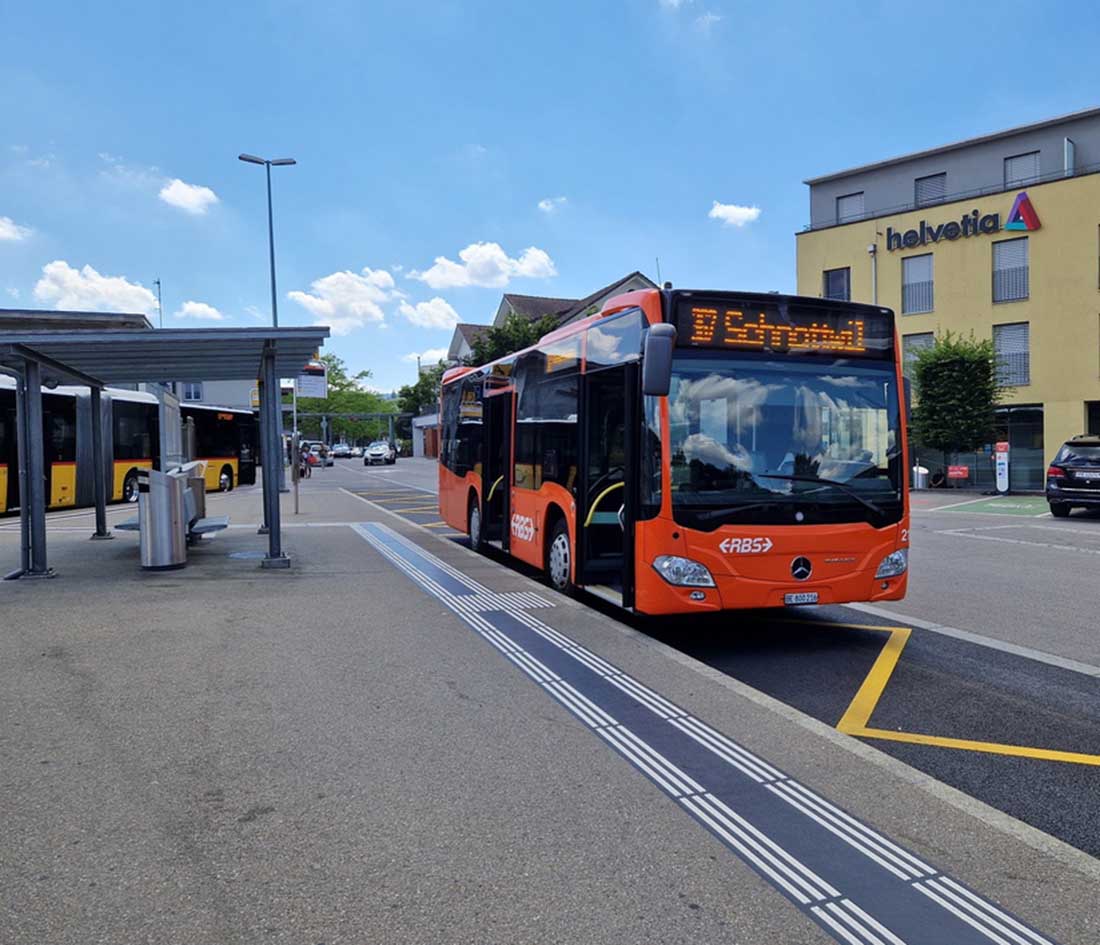
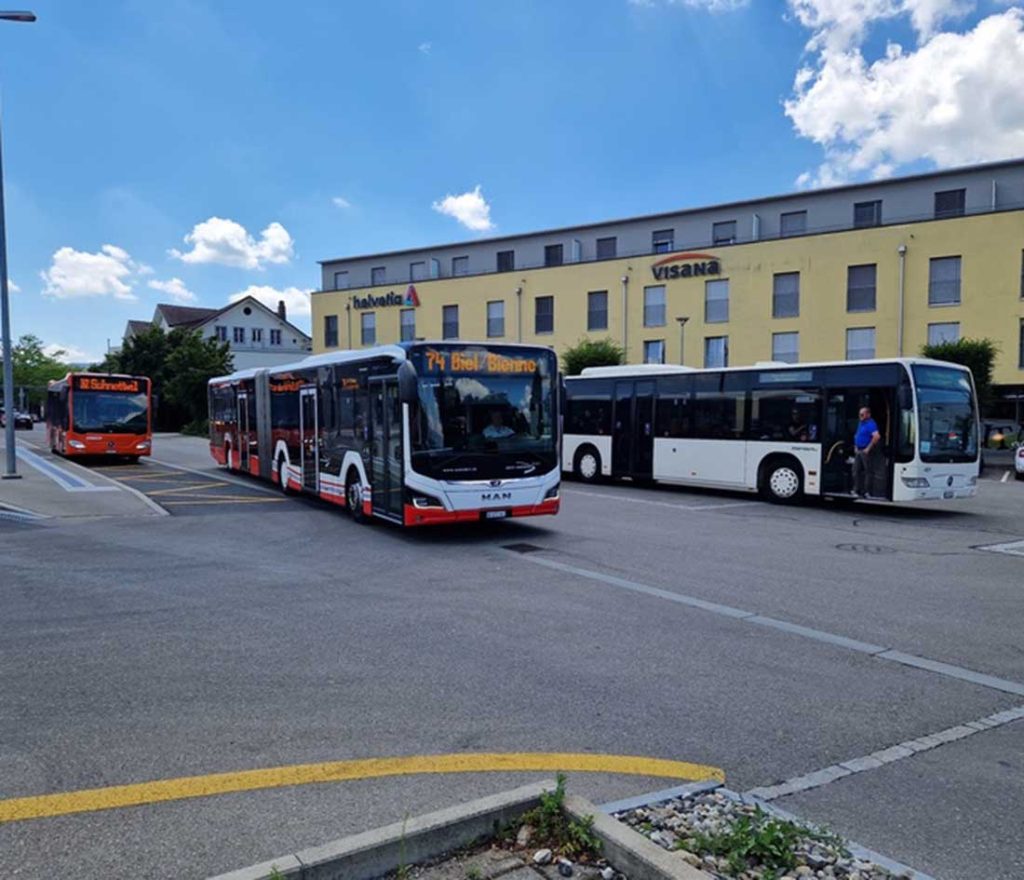
Lyss boasts a modest but efficient bus system that connects the town center with nearby villages such as Aarberg, Worben, and Busswil. The bus lines are often used by locals commuting to work, school, or markets, but they are just as valuable for travelers heading to less touristy spots.
The Lyss Transport Card typically includes unlimited use of local buses operated by Busbetrieb Grenchen und Umgebung (BGU) or PostAuto Schweiz AG, as long as they operate within covered zones.
Tips for bus travel:
- Most buses run every 30–60 minutes. Plan accordingly.
- Bus schedules are synchronized with train timetables at Lyss Bahnhof.
- Some routes are request-only; press the “Haltewunsch” button early.
- Riding early morning or late evening ensures you experience the peaceful countryside in near solitude.

8. Special Transport: Seasonal Offers and Scenic Routes
During spring and summer, the Lyss transport zone often includes special offers such as:
- Boat rides on Lake Biel: With partial discounts when starting from Lyss and connecting via Biel train station.
- Funicular railways in the Jura region: Limited offers sometimes extended to travelers with Libero day passes.
- Cycling transport services: On certain BLS trains, bicycles can be carried free or at discounted rates with a Lyss regional pass.
Check local tourism websites and Lyss station info boards for seasonal flyers that display current promotions.
9. Excursion Ideas Fully Covered by the Lyss Transport Card
Here are a few trips one can enjoy without paying extra if the card includes necessary zones:
Aarberg and the Covered Bridge
Just one bus ride away, this charming medieval town is famed for its wooden bridge and riverside promenade. Walk around the Altstadt and enjoy a coffee under stone arcades.
Worben’s Wildlife Park
A small nature retreat showcasing native species such as lynx, wild boar, and red deer. Reachable via bus and short walk from Worbenstrasse stop.
Hiking in Seeland
The Seeland plain offers gentle hikes and bike rides through farmlands, apple orchards, and along the Aare River. Bus lines drop hikers at trailheads, fully included in the card coverage.
10. Pairing the Lyss Card with Swiss Half Fare Card or Swiss Travel Pass
Travelers intending to explore beyond Lyss can maximize value by pairing the local card with national passes.
- The Swiss Half Fare Card allows travel at half price across Switzerland and pairs smoothly with Libero day passes.
- The Swiss Travel Pass may overlap with zones in Lyss but is typically more cost-effective for long-range travel.
If planning short local excursions combined with longer Swiss trips (e.g., to Geneva or Lucerne), this pairing reduces total transport cost significantly.
11. Understanding Card Validity and Limitations
Key points to remember:
- Cards are valid only for the person named; identification is often required.
- Most cards expire at midnight of the last validity day.
- Lost cards from hotel packages are usually not replaceable, but Libero cards bought at the counter may be reissued.
Abuse of the card (e.g., zone jumping) may result in fines between CHF 90–120 and is strictly enforced.
12. Common Traveler Questions and Practical Tips
Can I share my card with someone else?
No. Cards are non-transferable and tied to the traveler’s name or hotel booking.
What if I board a train outside covered zones?
You’ll need to purchase an extension ticket, known as a “Anschlussbillett.”
Are pets and bikes included?
Small pets in carriers often ride free. Bicycles require an additional ticket unless stated otherwise on the pass or promotion.
What happens during a transit strike or delay?
Swiss railways are extremely reliable. In rare disruptions, alternate arrangements are made, and transport cards remain valid on substitute routes.
13. Final Thoughts on Integrating the Lyss Transport Card into Daily Itinerary Planning
Planning around the Lyss Transport Card adds structure and flexibility to any travel itinerary. It encourages the exploration of nearby gems that are often skipped by mainstream tourism, and it reduces the anxiety and cost associated with buying multiple tickets daily.
The experience of riding clean, punctual, and scenic Swiss public transport while knowing each ride is pre-paid simplifies travel and enhances the freedom to explore. Whether wandering through vineyards, hopping off at unplanned stops, or sitting silently as morning fog lifts over the Jura hills—travel becomes less about logistics and more about discovery.