1. Arriving in Lyss: A Quiet Breath in the Heart of Switzerland
As the train gently curved its way into Lyss station, I looked out the window to see a landscape that didn’t shout for attention—it whispered. Nestled in the Seeland region of the Canton of Bern, Lyss is not a place that you find at the top of every Swiss travel brochure. It does not parade its beauty like Lucerne or flash its fame like Geneva. Instead, Lyss wears its charm quietly, the way an heirloom watch tells time not just through ticking hands, but through the generations of stories it carries.
Getting off the train, I noticed the subtle blending of tradition and modernity. The station, recently renovated, stood with sleek lines and clear signage, yet it opened out into streets where rooftops sloped like the pages of an old European tale. There was an immediate sense of order here, but not cold order. A warm, considered order, as though every corner of the town had been deliberated upon with care and reverence for history.
2. Mapping the Past: The Origins of Lyss
To understand Lyss, one must walk not just the streets, but the centuries. Its name is thought to derive from the river Lyssbach, which gently snakes through the town and connects it to the ancient rhythms of agriculture, fishing, and milling. Archaeological findings reveal that humans have inhabited this area since the Neolithic era. The Celts wandered through these parts, and later the Romans, leaving traces of their presence in local soil and stories.
The medieval period gave Lyss more shape, quite literally. The old village center, still partly discernible despite modern development, grew around a network of agricultural estates and trade routes. Lyss wasn’t a stronghold or a fortress town—it didn’t need battlements to defend a throne. What it developed instead was resilience, the kind that comes from centuries of tilling earth, surviving floods from the Aare River, and forging identities in the margins of larger cities.
3. The Town Center: Walking Through Layers of Time
The center of Lyss reveals itself slowly, as if inviting the curious to linger rather than rush. The main square, modest but purposeful, is flanked by buildings whose facades carry whispers of different eras. Some stand in the neat, squared elegance of 19th-century Swiss design—functional but with flourishes of ironwork on balconies and shutters painted in confident, historic greens and blues.
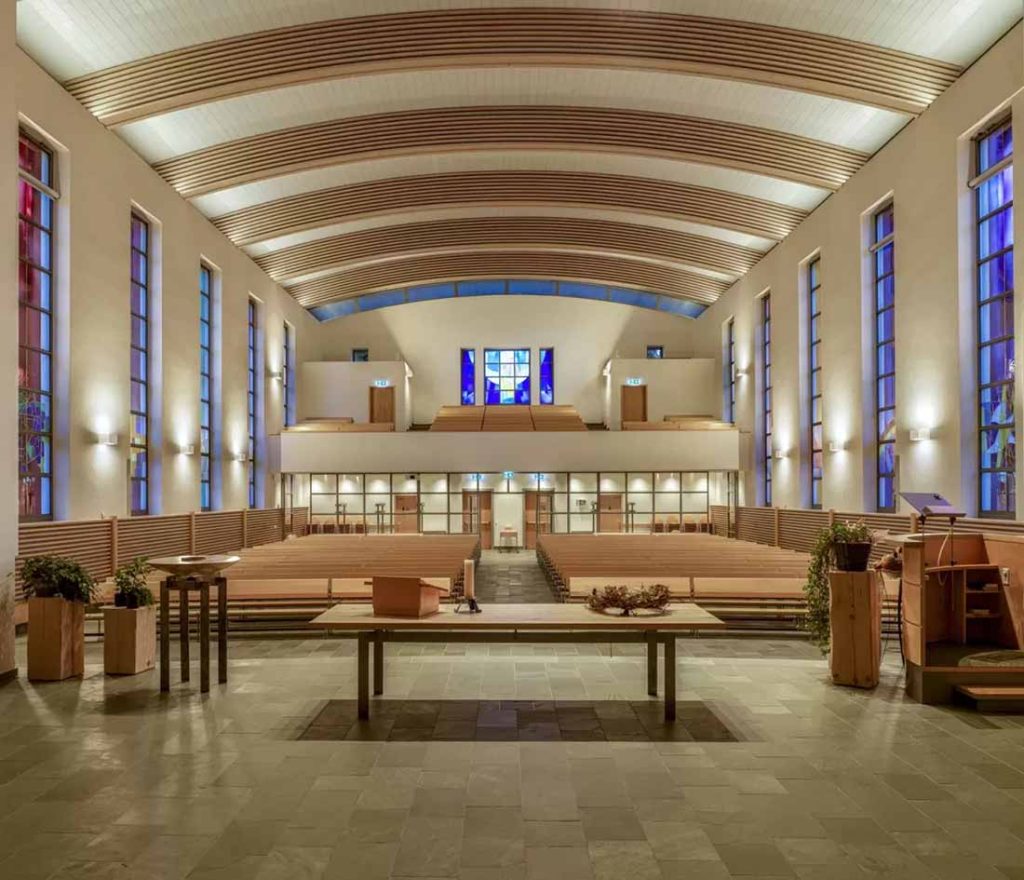
The church, Reformierte Kirche Lyss, anchors the town both spiritually and visually. It has stood through wars, reforms, and revolutions—not just religious but societal. Its bell tower rises not in arrogance but in steady assurance, and as I walked through the adjacent cemetery, I couldn’t help but notice how even the tombstones told stories. Farmers, tradesmen, teachers—names etched in stone spoke of lives that shaped the soul of the town, more quietly but perhaps more enduringly than kings or generals.
4. Markets and Manners: Traditions That Still Thrive
Thursday is market day in Lyss, and no historical exploration is complete without experiencing a town when it’s most alive. The market was a tapestry of sound, color, and scent. From local cheeses—Gruyère and Emmental, of course, but also lesser-known varieties specific to the Bernese countryside—to honey sold by a beekeeper whose bees, he explained, “prefer the clover near Aarberg,” the stalls were both commercial and conversational.
The vendors didn’t rush the exchange. Transactions here are not just about products but about people. “Guten Tag,” one woman said to me as I examined a row of hand-woven linens. When I responded in hesitant German, she smiled and offered the rest of the conversation in French. “Here we speak what we need to understand each other,” she said with a grin.
There is a code of manners in Lyss that does not feel manufactured or ceremonial. People greet each other. They wait their turn. Doors are held. Conversations are not hurried. It reminded me that culture is not just in museums—it lives in how people live together.
5. Lyssbach River: Waterways and Ways of Life
The Lyssbach River is no Rhine—it does not roar, it does not conquer landscapes. But it does something arguably more important: it nurtures. As I followed its path through the town, I passed small footbridges, benches facing the water, and narrow walkways where parents strolled with children, pointing out ducks and dipping toes in the current.
Historically, the Lyssbach was more than just scenery. It powered mills, fed fields, and shaped settlement patterns. The town’s growth followed the course of the river, not in defiance of nature but in harmony with it. Even today, remnants of old mills and water-diverting systems can be seen if one knows where to look. A local historian I spoke with, Herr Meier, led me to a stone basin near a residential area. “Here,” he said, “is where grain met the grindstone.”
The town has invested in maintaining the ecological balance of the river, and this decision is both environmental and cultural. The Lyssbach is not just a water feature—it is a living archive of the town’s relationship with nature.
6. Museums and Memory: Preserving the Local Voice
Lyss doesn’t boast a grand national museum, but what it offers instead are pockets of history tucked into civic buildings and community initiatives. One such place is the Heimatmuseum Seeland, located just outside the town center. Here, artifacts from Lyss and the surrounding region are lovingly curated: farming tools, antique garments, schoolbooks from the early 20th century, and even a reconstructed kitchen from 1890, complete with a cast iron stove and lace curtains.
The museum staff are not just caretakers—they are storytellers. I was particularly taken by a guided tour from Frau Blumer, whose great-grandfather once served as town mayor. As she pointed to a photograph of Lyss’s main street from 1912, she said, “Every building has a memory. Even the ones that are gone.”
Photographs, letters, and even sound recordings from early radio broadcasts contribute to a sense of continuity. This is not nostalgia for its own sake. It’s a recognition that a community is not just where we are—it is where we have been.
7. Art and Architecture: A Subtle Palette
Lyss is not loud in its aesthetics. It favors form and function, yet one quickly sees that beauty is not sacrificed in the process. The public buildings, such as the town hall and the cultural center, embrace a style that is unmistakably Swiss: clean lines, soft colors, and an attention to detail that borders on the poetic.
Local artists have added their voices to this architectural canvas. Sculptures appear in quiet corners—a bronze figure leaning on a bench, a mosaic embedded into the sidewalk. Even the newer apartment complexes seem to participate in the town’s understated elegance, with gardens carefully planned and communal spaces that respect the landscape.
A stroll through the residential districts revealed another layer of cultural insight. Homes are cared for, gardens maintained, balconies adorned with flowers in summer hues. Pride in place here does not scream; it sings.
8. Festivals and Celebrations: The Pulse Beneath the Quiet
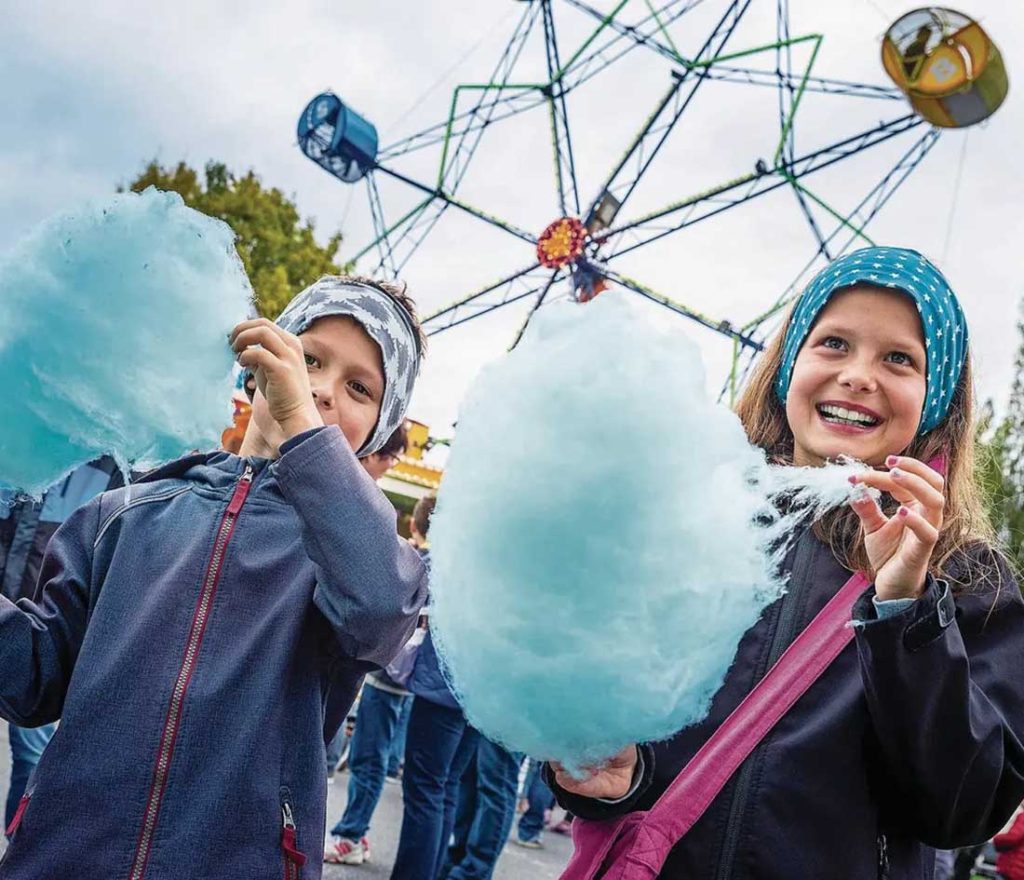
Every town needs its rituals, and Lyss is no exception. One event that stood out during my visit was the Lyss Chilbi, a traditional Swiss fair that brings together food, games, music, and most importantly, neighbors. It was during this festival that I saw Lyss drop some of its restraint.
Children rushed from ride to ride, grandparents sipped coffee while watching them, and teenagers clustered in groups, half playing, half posturing. The food stalls were a particular delight—sausages sizzling, waffles steaming, and raclette bubbling under its heavy blanket of melted cheese.
Local bands played folk songs, but also classics from the 1960s, with a yodel tossed in here and there for good measure. The entire affair was deeply rooted in tradition, yet the joy was entirely current.
9. Civic Life: Governance with a Human Face
A conversation with the local clerk’s office gave me insight into how Lyss governs itself. The town council meetings are open to the public, and agendas are posted clearly in advance. Decisions are made with transparency, but also with conversation. It is not uncommon for a proposal to undergo several rounds of feedback before implementation.
Education is also a central concern. The schools in Lyss emphasize not just academic excellence, but community involvement. Students often participate in local clean-up days, history projects, and cultural presentations.
Safety, order, and trust—these are not abstract values here. They are practiced.
10. Outskirts and Countryside: The Wider Canvas of Lyss
One cannot speak of Lyss without speaking of what surrounds it. The Seeland region is often called the “vegetable garden of Switzerland,” and a short bike ride from town proved this moniker true. Fields stretched in careful rows, not haphazard but meticulous, growing everything from carrots to cabbage, and in season, the rich ruby of strawberries.
Farmhouses dotted the horizon, each seeming to sit exactly where it belonged. No one had forced these buildings onto the land. They had grown into it.
I visited one such farm, Hof Studer, where I met the family who had worked the soil for five generations. Their barn was a combination of old wood and solar panels, and their dog—a shaggy, contemplative creature named Max—watched our interaction as if judging whether I had enough mud on my boots to be taken seriously.
Over coffee and slices of homemade plum tart, I heard about how the seasons dictate not just labor but mood. “Winter,” said Herr Studer, “is for fixing, thinking, and waiting. Summer is for everything else.”
11. Spirituality and Stillness: Places of Reflection
The churches and chapels of Lyss are more than religious structures—they are places of reflection, community, and continuity. Beyond the main Reformierte Kirche, there are smaller chapels and Catholic places of worship that serve as quiet sanctuaries.
Even outside formal religion, Lyss offers spaces for stillness. The municipal park, modest in size but generous in spirit, contains paths shaded by maple and chestnut trees, and benches thoughtfully placed as though inviting one to pause, not pass.
12. An Evening in Lyss: Light and Shadow
As evening descended on the town, the streets grew quieter but not empty. Lights began to flicker on—yellow, warm, steady. People walked with purpose but without hurry. The restaurants filled gradually: couples on dates, families sharing laughter, old friends raising glasses.
I chose a local bistro known for its Seeländer specialties. The menu, handwritten, featured dishes that carried both rustic tradition and culinary finesse. I ordered Rösti topped with mushroom cream and venison sausage. The waitress, with a wink, said, “Only if you promise to leave room for dessert.” I obliged. The apple strudel that followed had just enough cinnamon to remind the tastebuds that flavor, like culture, thrives in balance.