Tucked into the gentle landscapes of the Seeland region in the canton of Bern, Lyss stands out as a small town with unexpected depth. While it may not appear on every travel itinerary, those who make the journey to this serene corner of Switzerland find themselves in the company of quiet sophistication, understated charm, and an array of local delights waiting to be discovered. One of the more rewarding ways to engage with the rhythms of this town is through shopping—not in the high-stakes, international luxury sense, but in the gentle, more meaningful exchanges that take place between producers and patrons. Shopping in Lyss is an exercise in mindfulness, tradition, and discovery.
1. The Weekly Organic Market: A Village Ritual
Each Saturday morning, the heart of Lyss begins to stir earlier than usual. By 7:00 a.m., the Bahnhofplatz starts to fill with white-tented stalls, fresh floral arrangements, wooden crates of produce, and the comforting aroma of baked goods that signals the arrival of the weekly organic market.
This market is no mere convenience—it is a curated community event built on principles of sustainability, seasonality, and human connection. Local farmers from the surrounding Bernese countryside bring their freshest yields, often harvested just hours before. Here, the term “organic” is not a marketing label but a lifestyle choice passed down through generations. Most vendors are more than willing to explain their growing processes in precise, almost reverent detail.
Produce That Speaks of the Soil
Look for heirloom tomatoes so vibrant they seem painted, and apples with blush-toned skins that reflect the cooler climate of the nearby Jura Mountains. Wild mushrooms, when in season, are presented in handwoven baskets, with foragers offering tips on preparation techniques. Swiss chard, root vegetables, and baby lettuces dominate in spring, while autumn brings squashes with complex flavors and apples that have made their way into local lore.
One stall, operated by the Bürgi family from a smallholding near Aarberg, is a quiet favorite. Their biodynamic carrots and beets are sold unwashed, a sign of freshness and respect for nature’s packaging. Their homemade sauerkraut, fermented in ceramic crocks, is another must-try.
Bakeries on Wheels: Artisan Breads
Follow the scent of fermented rye and toasted sesame to the two mobile bakery stalls parked side-by-side along the station road. The older of the two is run by a baker named Tobias, who has been kneading dough for over 30 years. His loaves are round, crackle-crusted, and rustic. The signature is a sourdough with crushed walnuts and dried apricots. Beside him, a younger couple sells brioche twists and spelt rolls wrapped in brown paper and sealed with twine.
Pastries include nussgipfel (hazelnut croissants), Birnenweggen (pear-filled pastries), and butterzopf, a plaited bread often purchased as a family treat. Most patrons come early; by 10:00 a.m., the choicest selections have often vanished.
Alpine Cheeses and Farmhouse Dairy
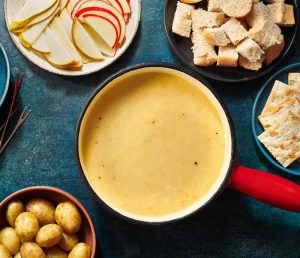
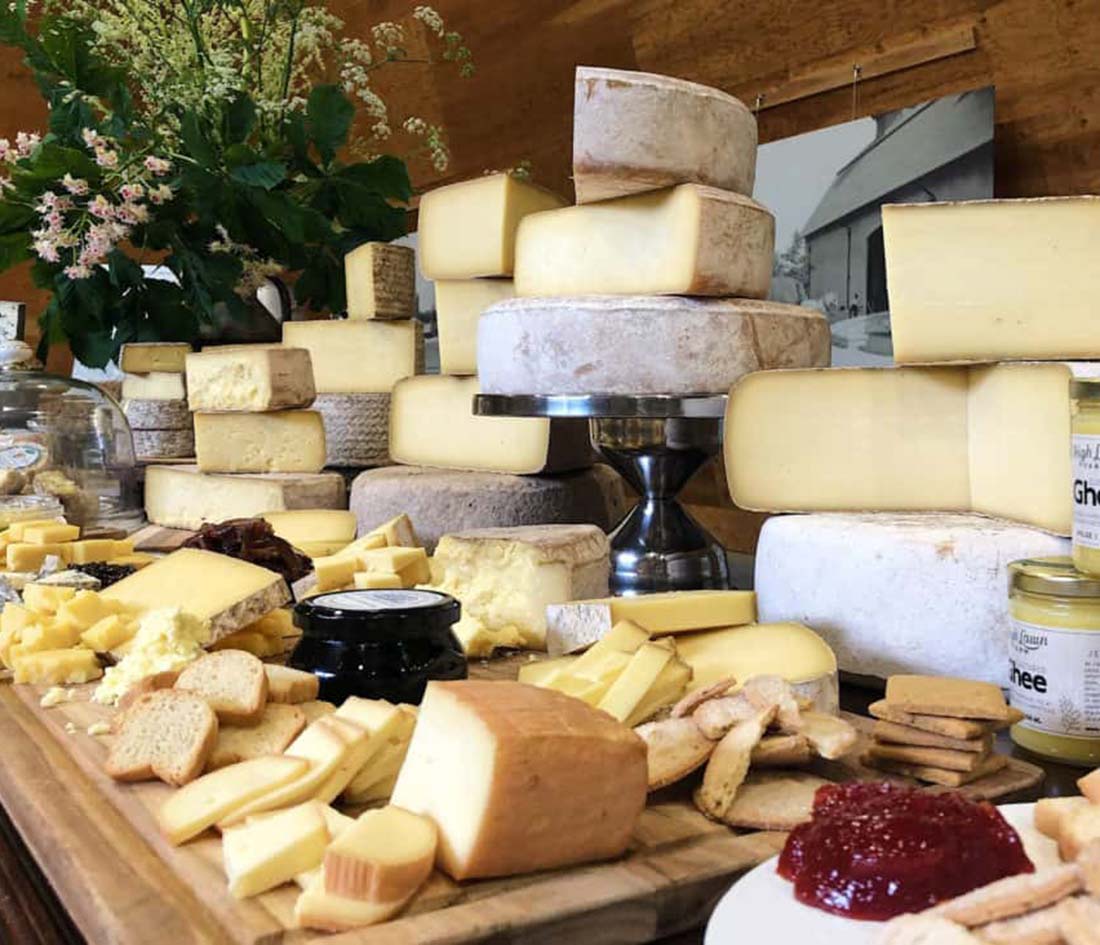
Cheese in Lyss is a matter of geography and family pride. At the far end of the market, a stall operated by a cooperative of dairies from the Gantrisch region features wheels of raw milk Gruyère, wedges of alpine-aged Tilsiter, and fresh Berner Alpkäse. Sampling is encouraged, with small toothpicked pieces offered beside handwritten labels.
Do not overlook the yogurt in glass jars—thick, creamy, and often flavored with elderflower or wild raspberries. Fresh cream, unpasteurized milk, and hand-churned butter are sold in seasonal rotation. Ask about their Alp butter in July—harvested from cows that graze at high altitudes, it carries the fragrance of mountain herbs.
2. The Town’s Core: Boutiques and Time-Tested Craftsmanship
Lyss’s center is compact and navigable by foot, but each turn offers something distinctive. Away from the market stalls, the town has preserved an array of independent boutiques, family-run stores, and artisanal workshops.
Kunz Feinkost: A Temple of Swiss Delicacies
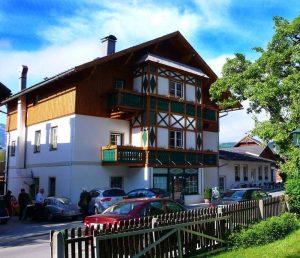
Occupying a handsome timber-framed building on Bahnhofstrasse, Kunz Feinkost is not merely a deli—it’s a culinary archive. Inside, wooden shelves sag under the weight of local preserves, air-dried meats, wild honey, and wines sourced from the Vully region.
Special attention should be paid to their house-made smoked sausage, known as Lysswurst, spiced with a proprietary mix of herbs and juniper. Jars of pickled girolles, forest berry compotes, and black cherry mustard fill the central display table. Their selection of mountain teas—dried wildflowers and herbs bagged in linen pouches—makes for an elegant souvenir.
Wäckerli & Sohn: Watch Repairs and Legacy Timepieces
While not a destination for mass-market shopping, Lyss hosts niche retailers of remarkable caliber. One such example is Wäckerli & Sohn, a fourth-generation watchmaker tucked into a narrow storefront. The interior looks unchanged since the 1950s, with soft yellow lighting, polished walnut counters, and an unmistakable smell of brass, oil, and patience.
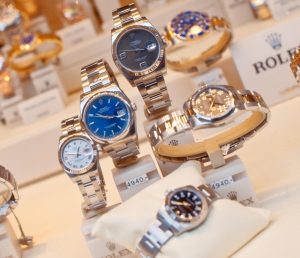
They do not sell new timepieces. Instead, the emphasis is on restoration and resale of vintage Swiss models. Omega, Longines, and Tissot watches from the 1930s to 1970s are painstakingly refurbished. Each comes with a booklet outlining its provenance and repair history. Customers often visit from Zurich and Lausanne for their trusted precision.
3. Off the Beaten Track: Specialty Shops and Local Legends
It would be a misstep to only stay in the central core. Beyond the main plaza, a short walk reveals lesser-known businesses that hold their own with quiet confidence.
Zum Alten Bonbonier: The Old Candy Shop of Lyss
Two streets behind the church lies one of Lyss’s most beloved institutions: Zum Alten Bonbonier. Founded in 1904, it has changed very little. The door creaks charmingly as one enters, the floorboards groan underfoot, and shelves of glass jars line the walls like sentinels of nostalgia.
Every candy is handmade using copper pots and wooden molds. There are herbal lozenges, buttered caramels, and sugar-dusted pastilles flavored with lemon balm and clove. Their signature is the Alpenminze—a melt-in-the-mouth mint with a cool, lingering finish. Purchase by weight or request a seasonal selection tin, wrapped in ribbon and sealed with wax.
Behind the counter, Frau Anneliese, now in her eighties, oversees operations with quiet elegance. She recalls recipes from memory and refuses to use digital scales, insisting on brass weights and balances.
Papeterie Maurer: Stationery for a Slower Life
Nearby, Papeterie Maurer offers another form of indulgence—paper, ink, and craftsmanship. This stationery shop has remained faithful to its original ethos: slowing down communication. Customers browse through marbled writing paper, fountain pens with hand-ground nibs, and leather-bound notebooks stitched by hand.
Special orders are frequent, and clients often come to design personalized letterpress cards. Their window display, refreshed every fortnight, is a miniature work of art featuring calligraphy quotes and folded paper sculptures. A lesser-known highlight is their small collection of vintage Swiss school posters, beautifully preserved and sold to collectors and decorators alike.
4. Sustainability in Shopping: Second-Hand and Upcycled Finds
Modern values have found their voice in Lyss as well. Sustainability is not shouted from rooftops here, but practiced quietly and effectively. Several thrift and upcycling shops cater to both locals and visitors with a keen eye.
Brocki Lyss: Where History Meets Utility
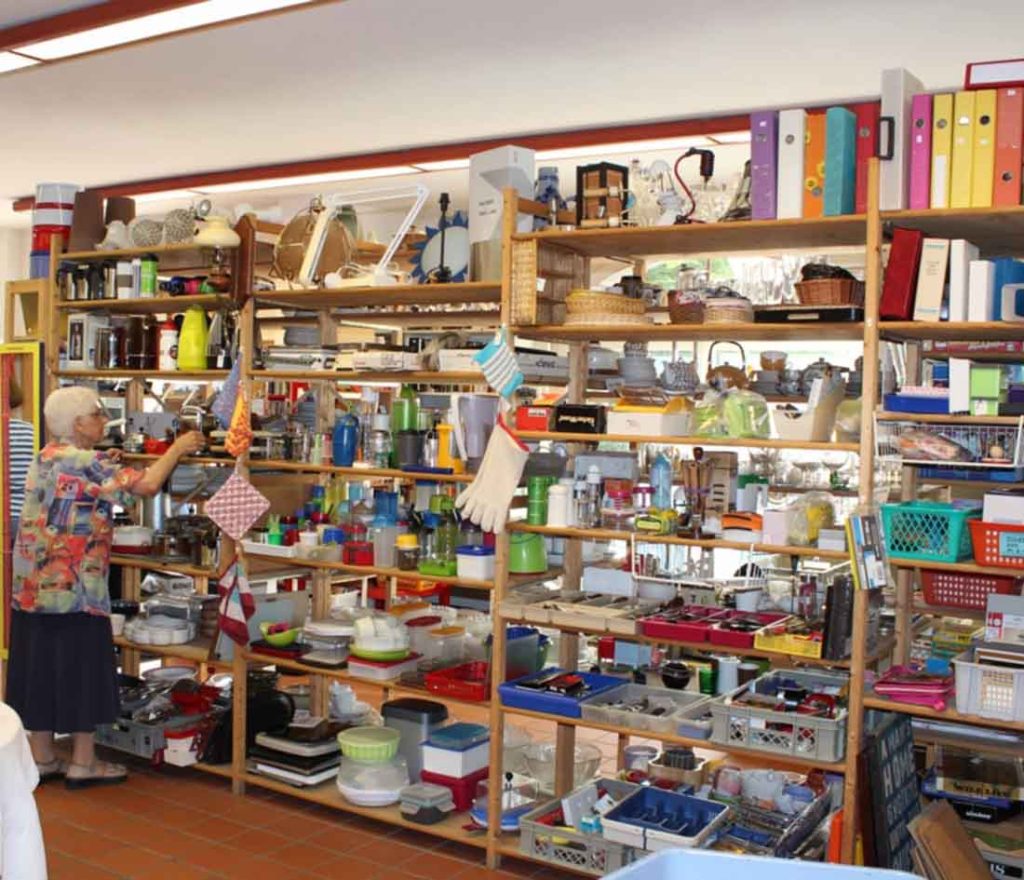
This sprawling second-hand store on the edge of town is a haven for the curious. Brocki Lyss offers everything from antique chairs to crystal glassware, from 1980s board games to linen embroidered by hand in the 1920s. Items are organized with surprising clarity, and staff are eager to share the stories behind pieces whenever possible.
Textiles are of particular note—wool throws, tablecloths, and vintage aprons frequently turn up in excellent condition. It’s the kind of place where serendipity rules, and a casual glance might yield a mid-century kitchen scale, a stack of pewter plates, or a forgotten book of Bernese folk tales.
ReLysst: Upcycled Fashion with Swiss Character
In a repurposed post office building now painted in forest green, ReLysst operates at the intersection of fashion and conscience. The studio collaborates with local seamstresses and young designers to reimagine discarded garments into wearable, stylish pieces. Denim jackets are overdyed with plant-based pigments; old lace becomes collars for modern blouses; winter coats are trimmed with recycled wool felt.
ReLysst also runs monthly workshops on mending, darning, and natural dyeing, and accepts textile donations from the community. Their retail space feels like both a boutique and a workshop—filled with the hum of sewing machines, the scent of beeswax polish, and the warmth of shared purpose.
5. Seasonal Highlights: When Shopping Reflects the Calendar
Certain times of year bring an extra layer of richness to Lyss’s retail rhythms. Advent is one such season, transforming storefronts into glowing showcases of craft and culinary tradition.
Christmas Markets and Candlelit Windows
From late November, Lyss hosts its annual Weihnachtsmarkt, where stalls wind through the older quarter and the air fills with cinnamon, orange peel, and the sound of choral music. Artisans sell hand-carved nativity figures, beeswax candles shaped like pinecones, and miniature felt slippers from the Emmental.
Special attention is often given to handcrafted ornaments made of straw, glass-blown baubles from Thun, and Scherenschnitt (paper-cut art) depicting Alpine scenes. Local schools participate with their own stalls, selling hand-stitched lavender sachets and jam jars adorned with snowflake motifs.
6. A Living Tradition in Commerce
In Lyss, shopping is an act rooted in respect—for craft, for time, for nature, and for community. Here, one does not rush from one store to another in pursuit of fleeting novelty. Instead, movement is slower, more deliberate, and far more rewarding. Whether tasting a slice of sourdough, watching an old man polish the gears of a watch, or selecting a piece of candy from a shop that remembers your grandmother’s generation, every transaction becomes a memory.
The shops, stalls, and studios of Lyss are not simply retail points. They are living entities, each with its own cadence, philosophy, and network of human stories. In this town, shopping transcends consumption. It becomes experience.